




The City as a Living Canvas
Urban art photography lives at the intersection of creativity, rebellion, and storytelling. It is a genre that thrives on the raw, unfiltered energy of city life—where concrete walls become canvases, alleyways turn into galleries, and every corner holds a story waiting to be framed.
Cities are constantly evolving, and so is the opportunity for creating art. From direct artwork through wall murals to photography interpretation, urban art reflects the voice of the artist and communities—sometimes political, sometimes poetic, often both. As a photographer, this creates an ever-changing landscape of visual opportunities. Unlike traditional galleries, urban art is shaped by time, weather, and human interaction, making each photograph a unique moment that may never exist again.
Light, texture and timing!
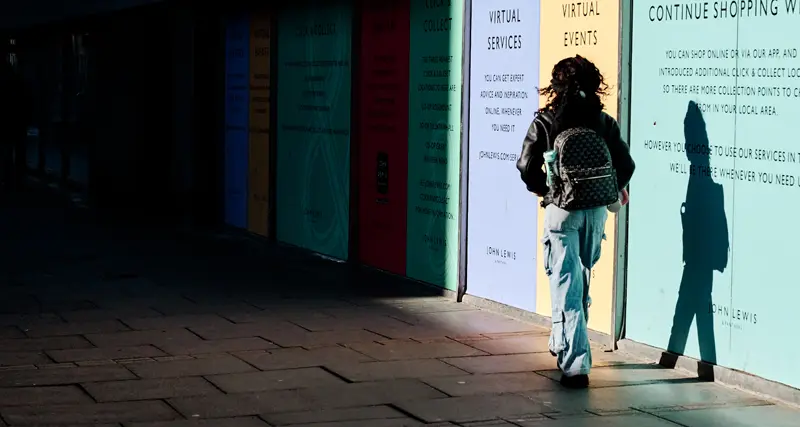
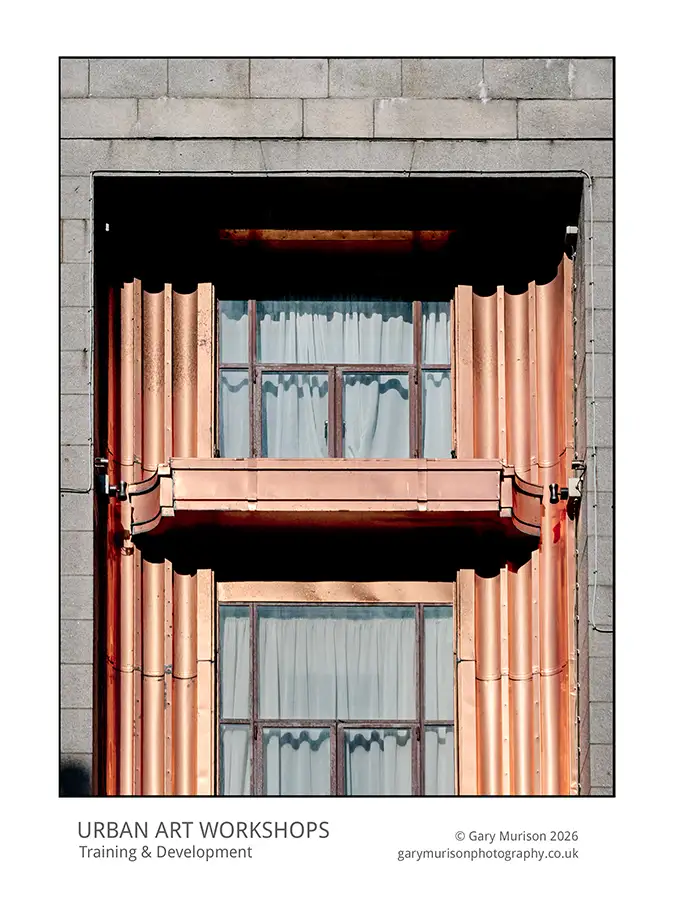
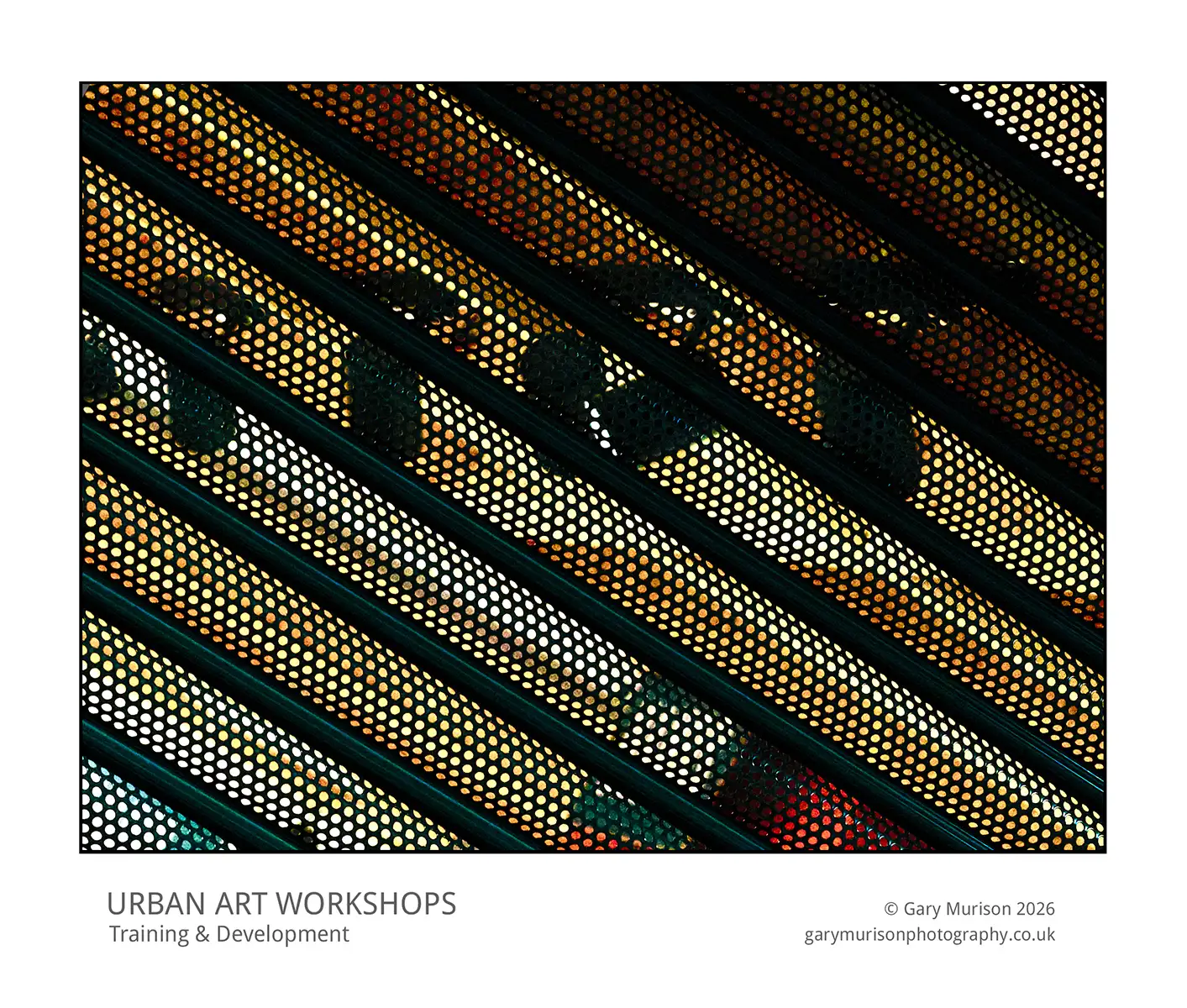
Urban environments offer a rich palette of textures—cracked paint, rusted metal, peeling posters, and layered graffiti. Lighting plays a crucial role in emphasizing these details, adding depth and creating drama.
Timing is equally important. A busy street might add energy to a shot, but an empty one can evoke solitude or neglect. Rain can saturate colors and create reflections, while harsh sunlight can intensify contrasts. Each condition transforms the same piece of art into something new.
Ethical considerations
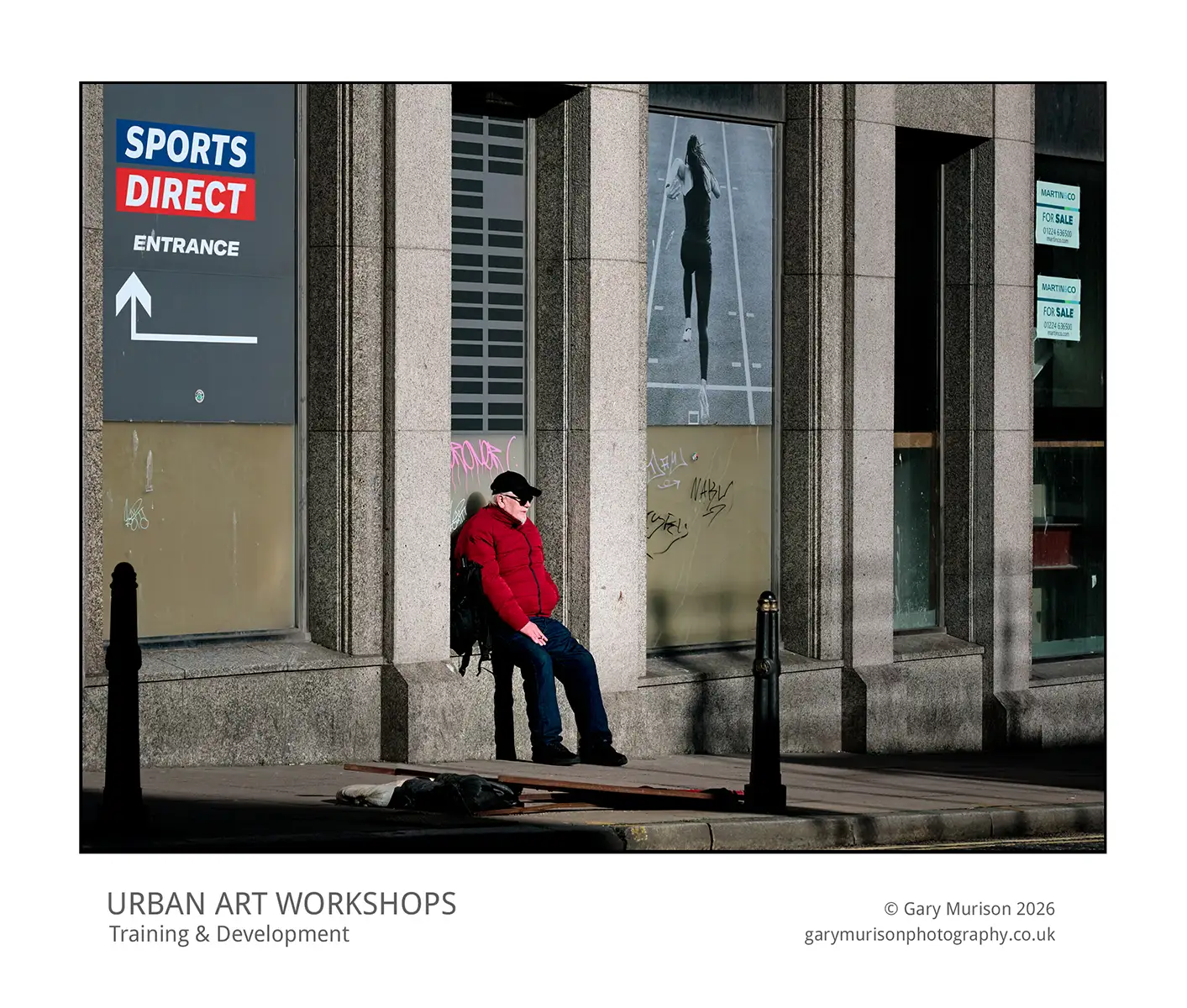
When does documenting street art become exploiting it? This is an ongoing conversation within the photography community, and one that requires thoughtful consideration.
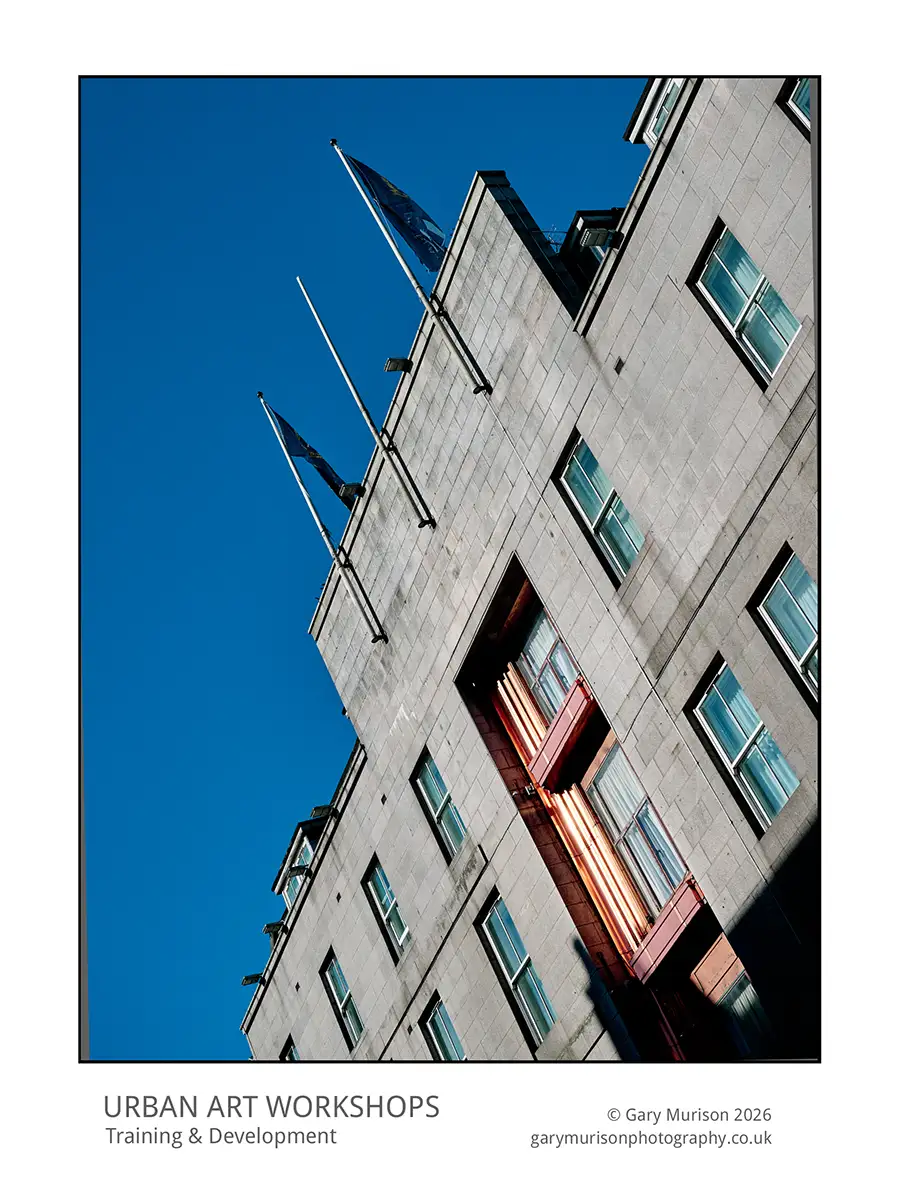
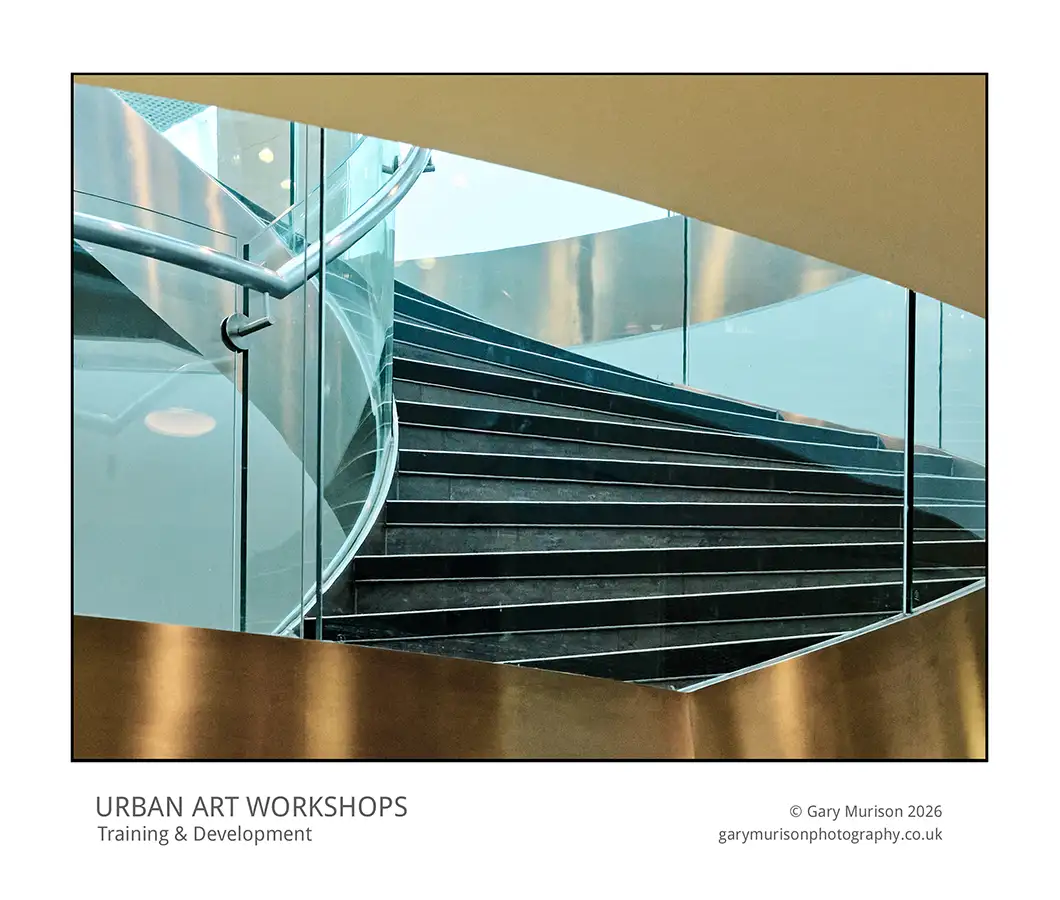
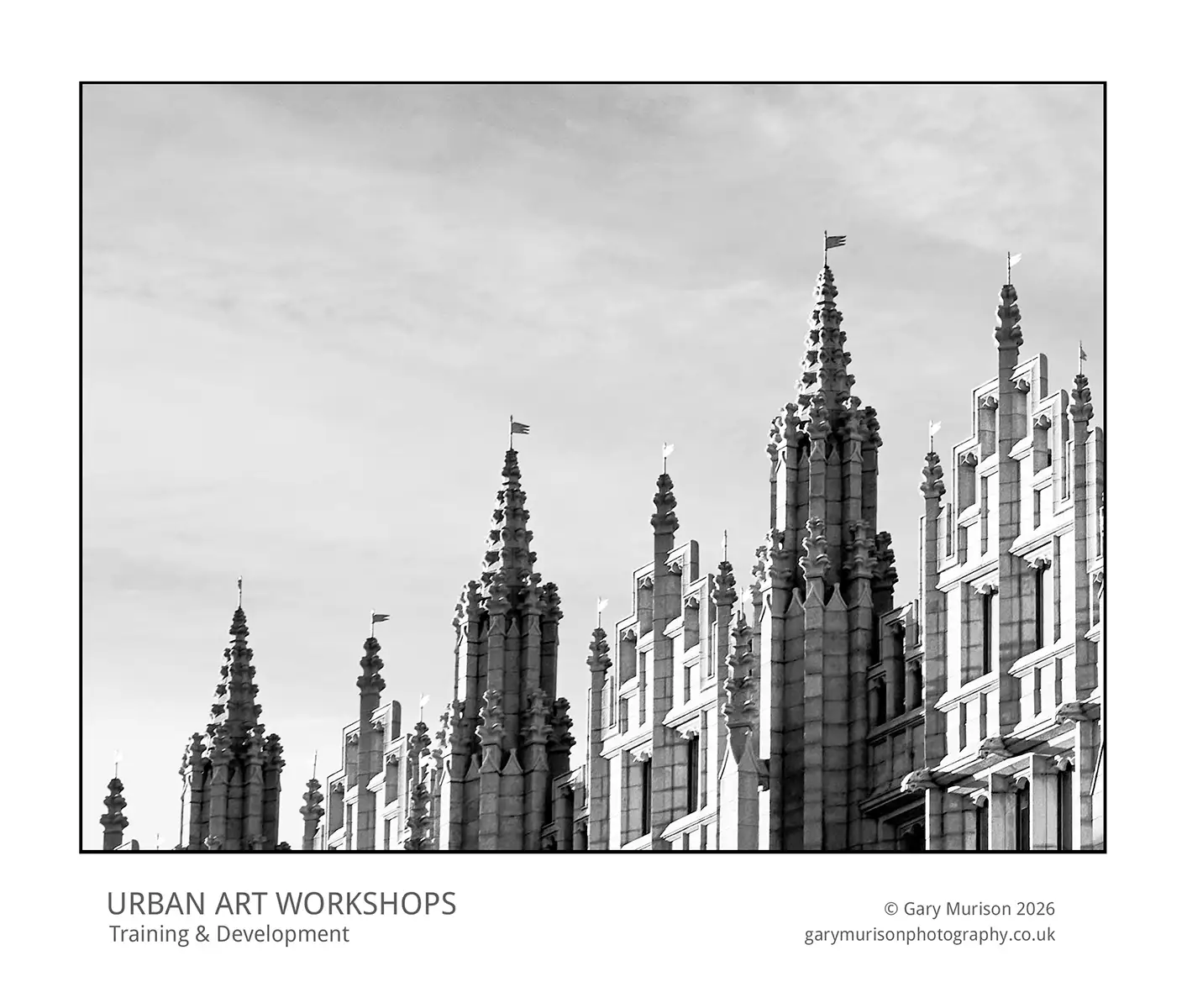
Photographing another person’s art, such a mural, or even an architect’s structures comes with responsibilities. While capturing and sharing these works can be a wonderful publicity opportunity and a record of a time or era, photographers should be mindful of respecting the artist’s intent and the communities where the art exists. For example, showcasing an artwork that stands against commercialism could be great for spreading the word, but turning that artwork into a commercial venture would be very unethical and go against the intentions of the originator.
Finding your perspective
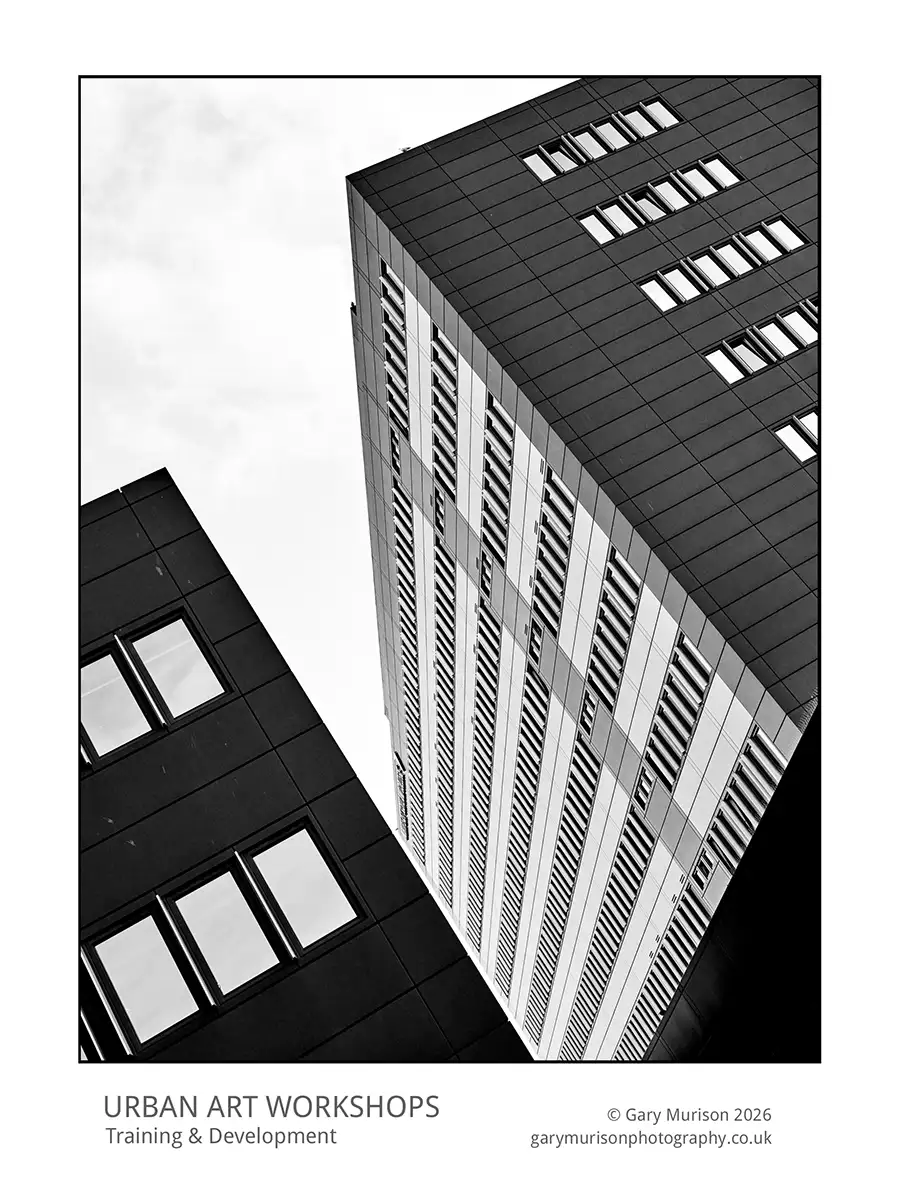
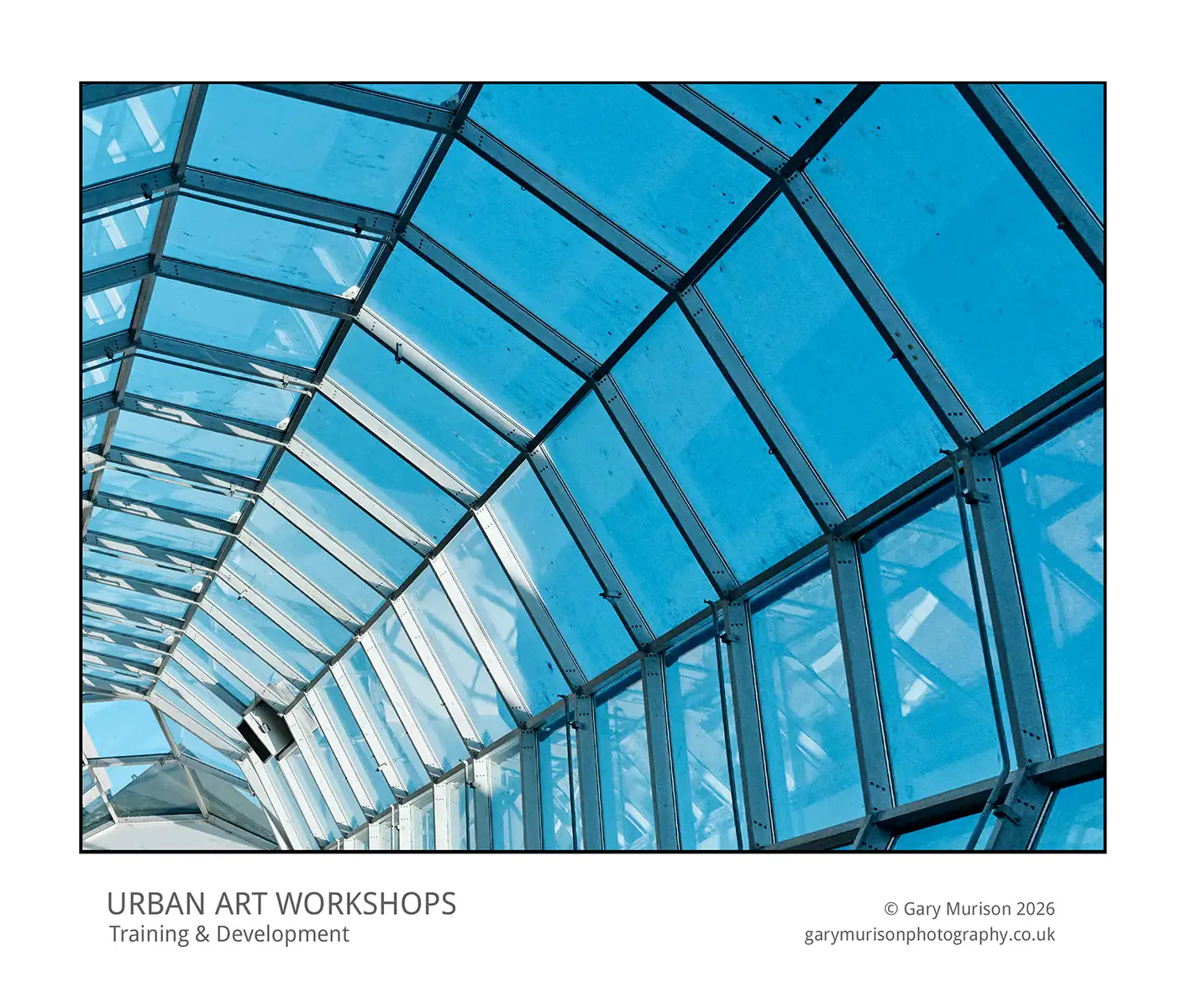
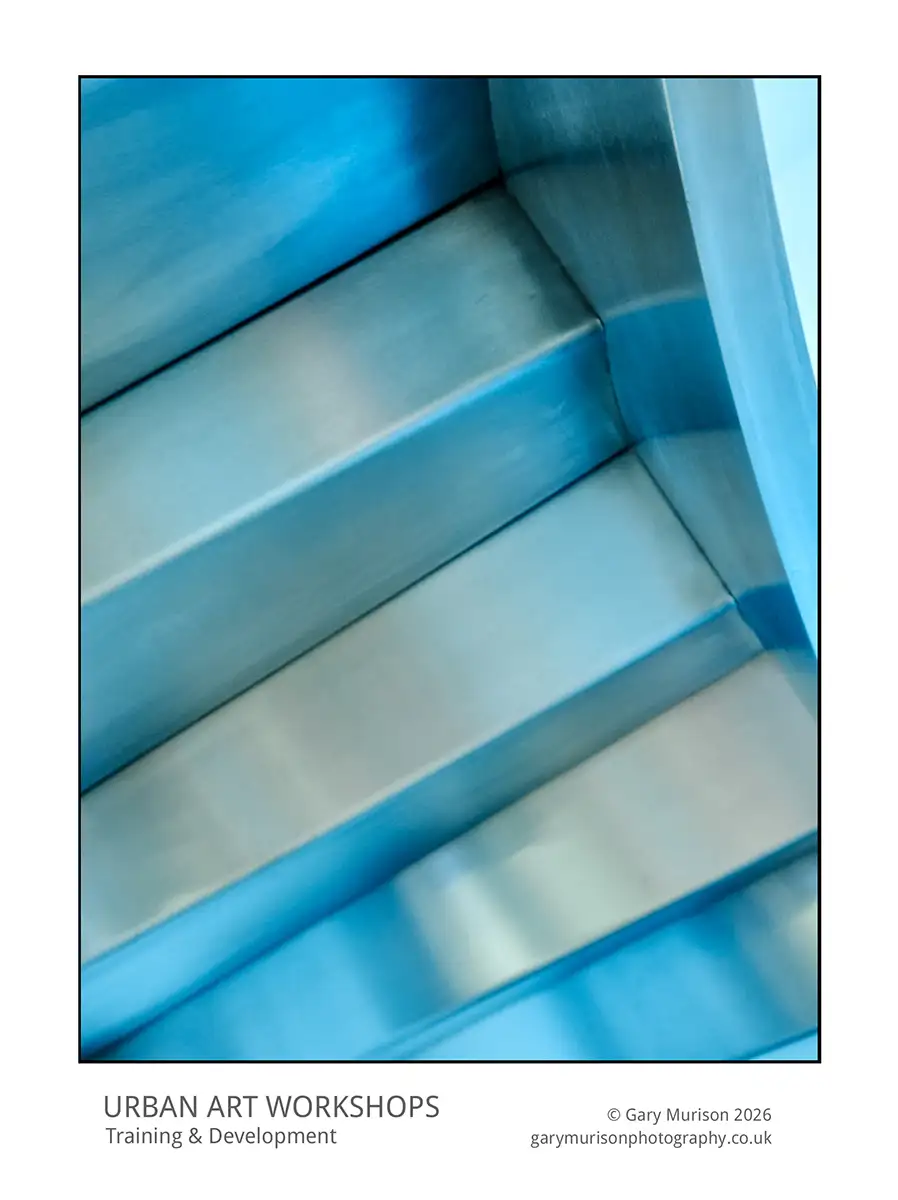
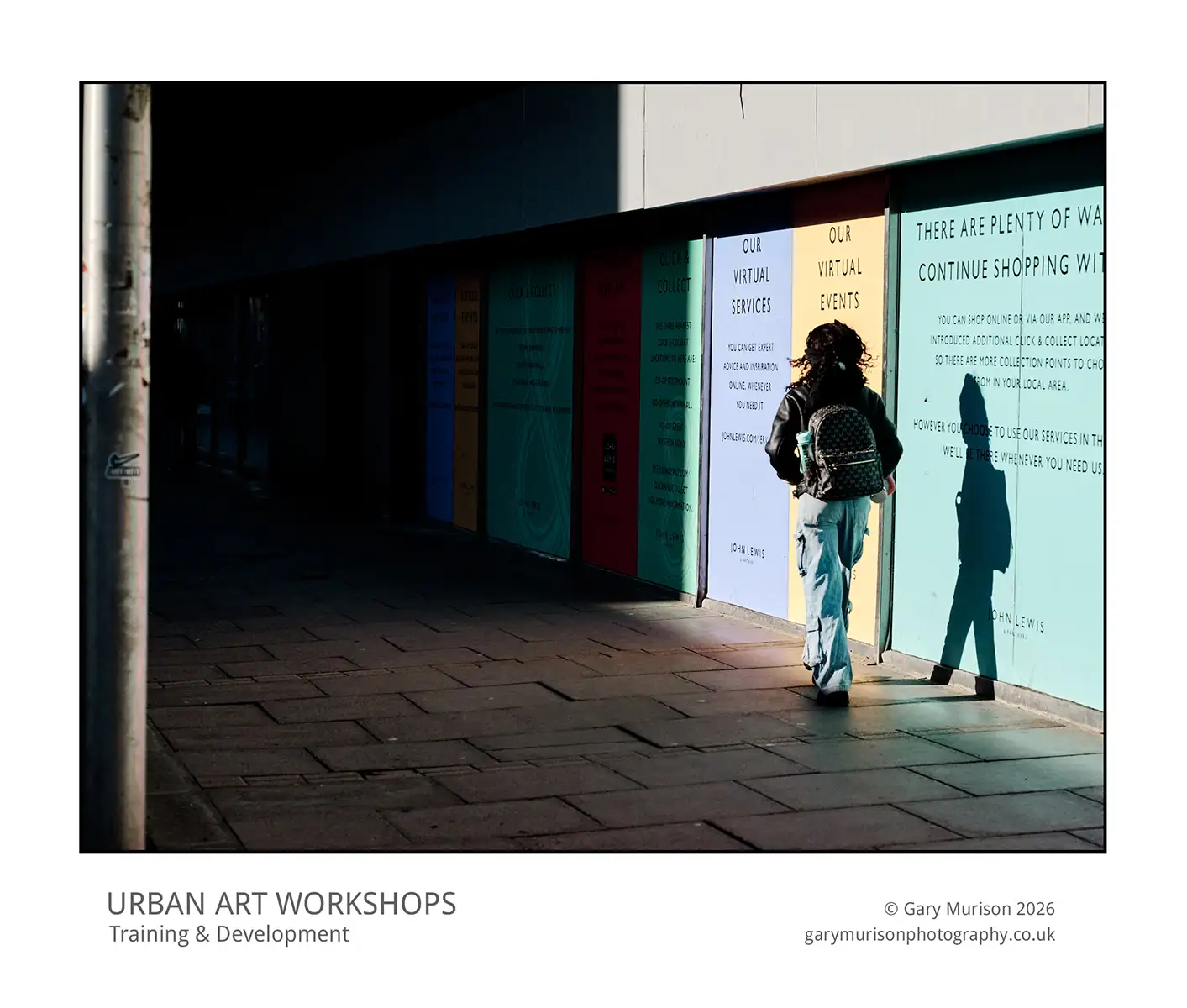
What makes urban art photography so compelling is that no two photographers see the city the same way. Some focus on bold, large-scale murals; others are drawn to shapes and textures. Some prioritise human interaction, while others prefer clean, isolated compositions.
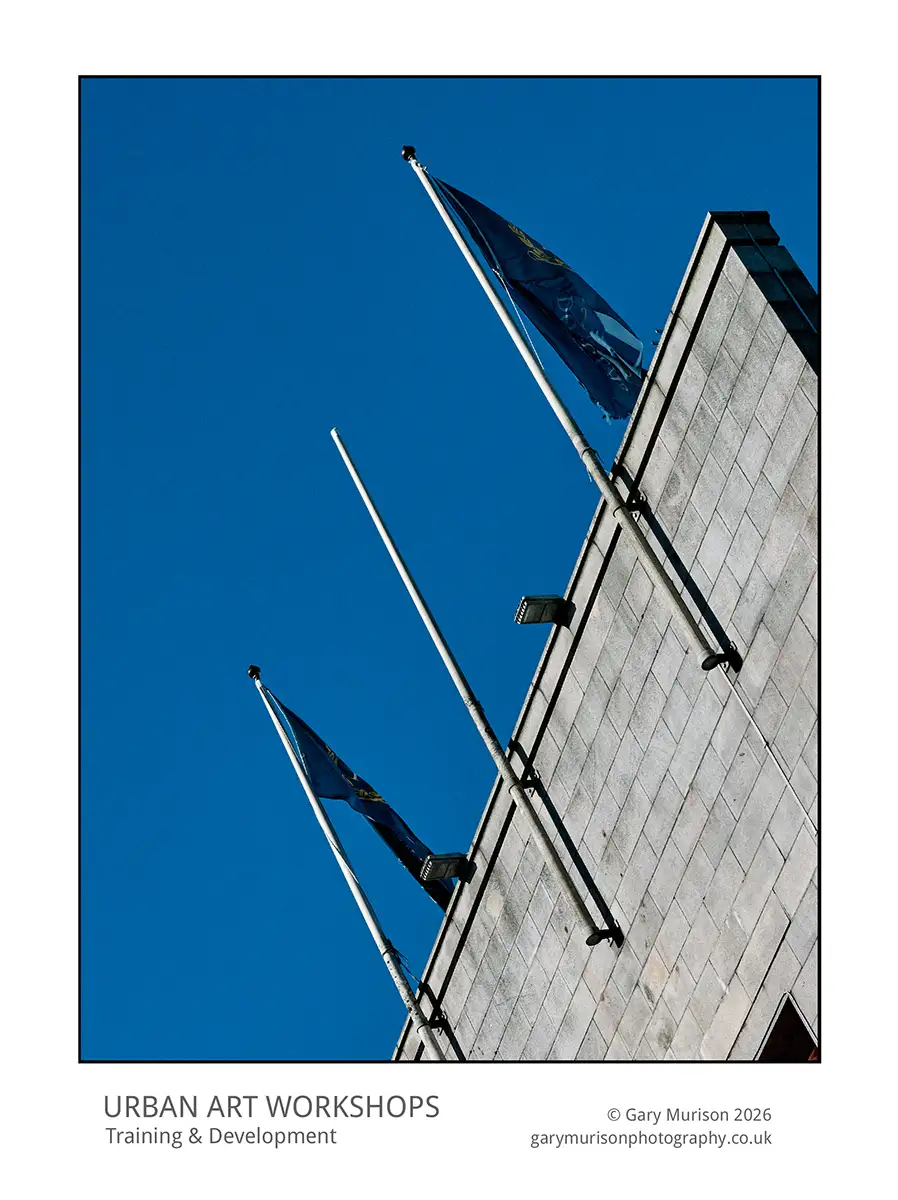
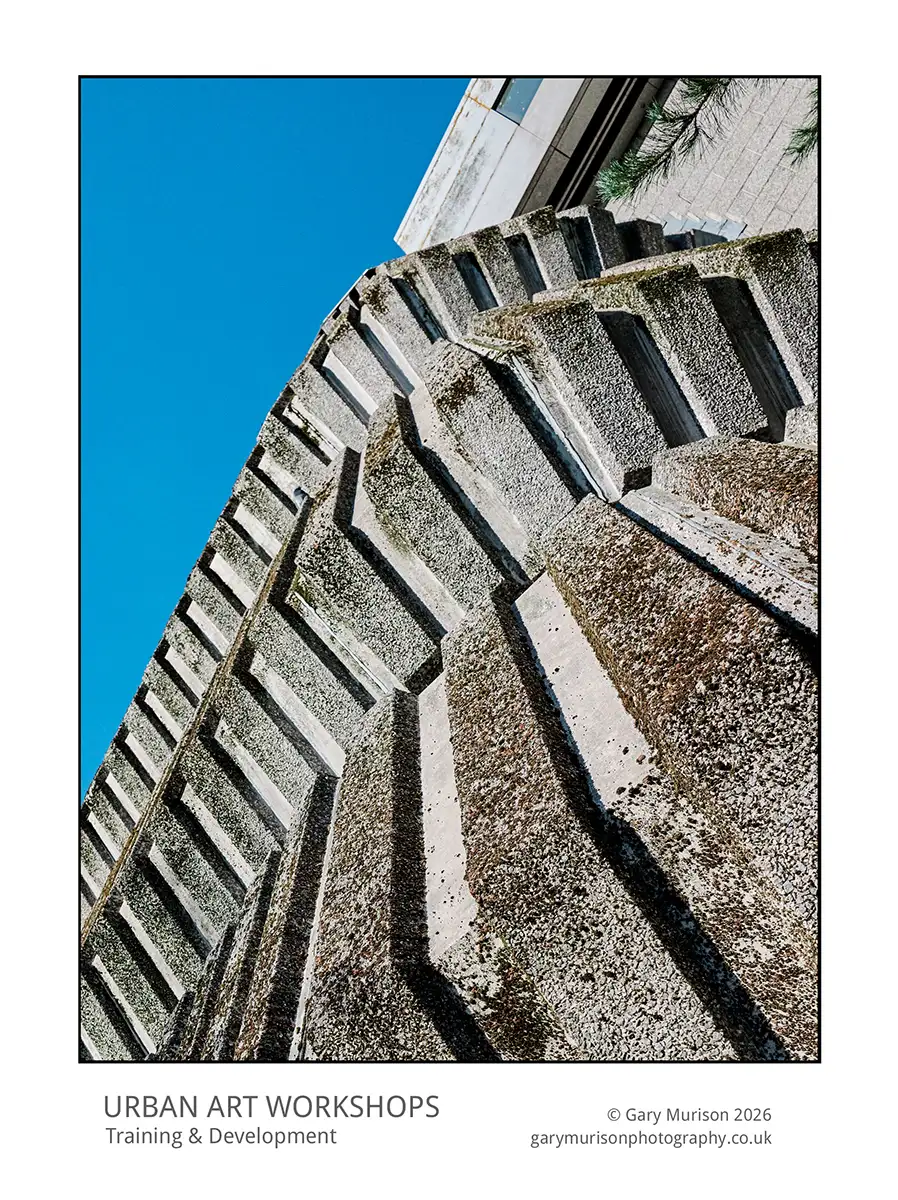
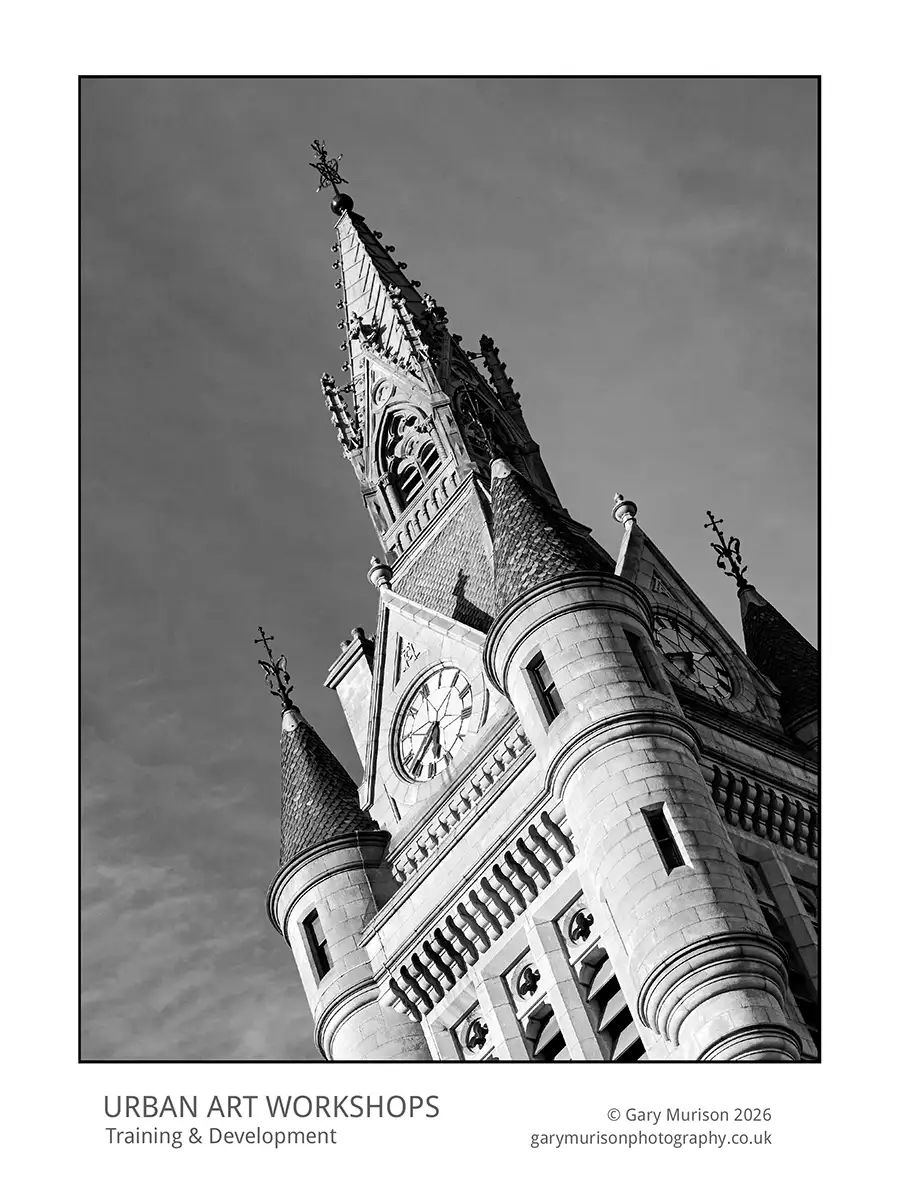
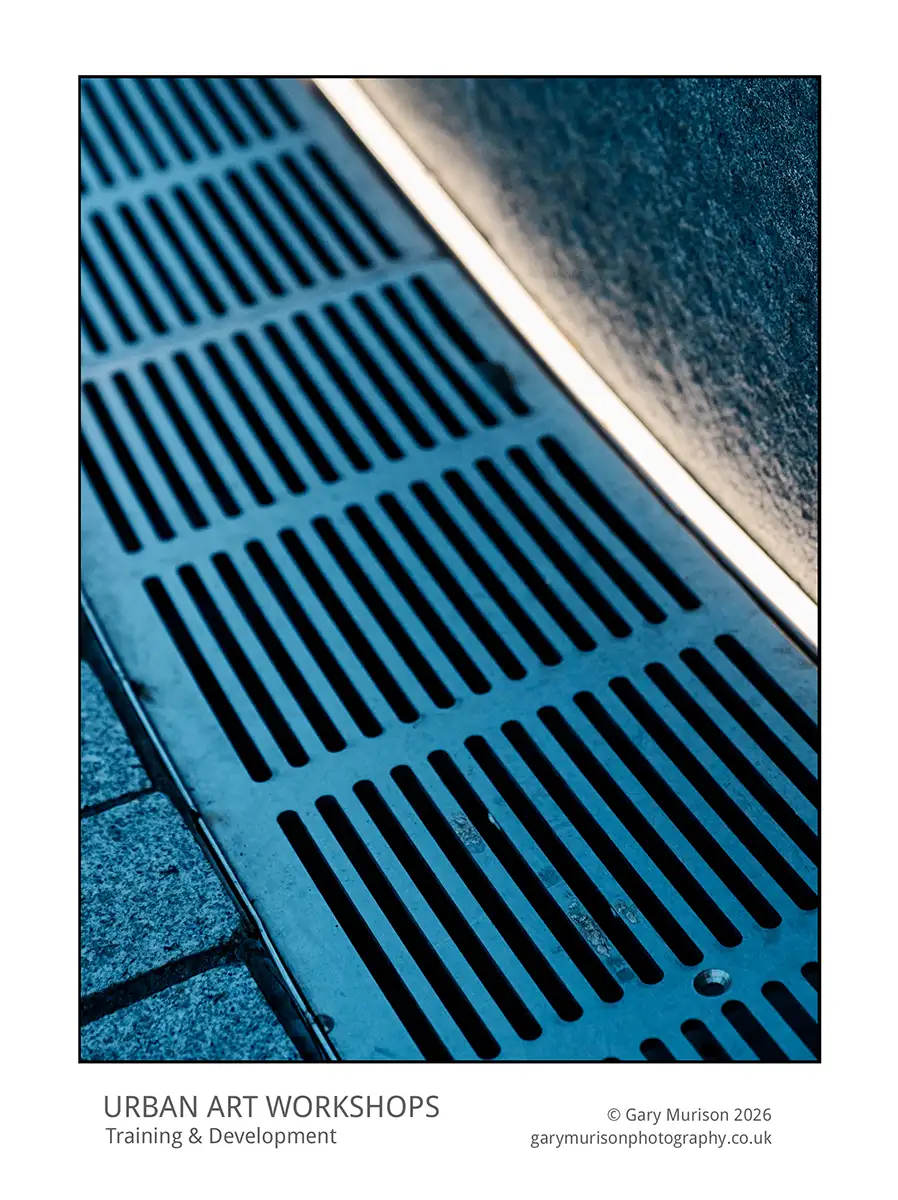
Developing your own style means exploring the city with curiosity. Wandering without a fixed plan. Look up, look down, and pay attention to overlooked spaces. The best shots often come when you’re not actively searching for them.
Let’s get people connecting through our photography!
Whether you’re a seasoned photographer or just starting out, urban art offers an accessible and endlessly inspiring subject. All you need is a camera, a city, and a willingness to see beyond the surface




#streetphotography #connectingpeople #urbanphotography